
Plan Your Destination in 48 Hours, Not Months
The biggest surprise I found was that a two‑day research sprint can cut travel costs by up to 30%. Start by opening a map, setting a 200‑kilometer radius from home, and filtering for towns with a train station. In my last weekend, I discovered a historic spa town 165 km away that offered a €15 return ticket on a regional line. I booked the train the night before, which locked in the low fare and avoided the weekend price surge.
Tip: Use the “flexible dates” feature on the rail website; it shows the cheapest departure within a three‑day window. If you’re willing to leave after 6 pm on Friday, you’ll often find seats for half the usual price.
Secure Accommodation for Under £50 Per Night
Instead of defaulting to hotels, I checked a combination of Airbnb “private room” listings and local B&Bs. A three‑star B&B in the town centre charged £42 for a double room, breakfast included. The Airbnb host offered a shared room for £35, but the B&B’s free Wi‑Fi and continental breakfast saved me another £8 that I would have spent on coffee and toast.
Don’t overlook “last‑minute” hotel apps. I set a price alert at £45; the app pinged me at 10 am on Saturday with a 20% discount on a boutique hotel that otherwise cost £55. Booking within the first two hours of the alert guaranteed the rate.
Transport Hacks That Keep Money on the Table
Renting a car for a weekend can be tempting, but I calculated the total cost: €30 per day, plus €0.30 per kilometre, plus €12 for fuel. For a 300‑km round trip, the bill topped £70. Instead, I booked a single‑seat car‑sharing slot for £22, which included insurance and fuel. The car was available at the train station, so I walked straight from the platform to the vehicle.
If you prefer buses, look for “night owl” services that run after 10 pm; they’re often 40% cheaper than daytime routes. On my last trip, a night bus from the city to the spa town cost just £6, compared with the £10 daytime fare.
Eat Like a Local Without Breaking the Bank
Morning coffee at a chain café can add up quickly. I swapped it for a bakery’s croissant and espresso for £3.50. For lunch, I visited the market square, where a stall sold a fresh salad and a bottle of water for £5.50. Dinner was the biggest win: a family‑run tavern offered a three‑course meal for £12, complete with a local wine glass.
When you’re unsure about prices, ask the staff for the “daily special”. It’s usually a dish that’s already prepared and priced 20% lower than the regular menu.
Smart Packing to Avoid Extra Fees
Airlines charge for checked bags, but I discovered that a compact rolling suitcase fits into the cabin allowance on most low‑cost carriers. I measured my bag against the airline’s 55 × 40 × 20 cm limit, and it passed. Packing a lightweight rain jacket and a reusable water bottle saved me from buying a pricey coat and bottled water at the destination.
One more tip: roll your clothes instead of folding. It not only saves space but also reduces wrinkles, meaning you can skip the hotel’s ironing service, which often costs £8 per item.
Integrate Entertainment Wisely
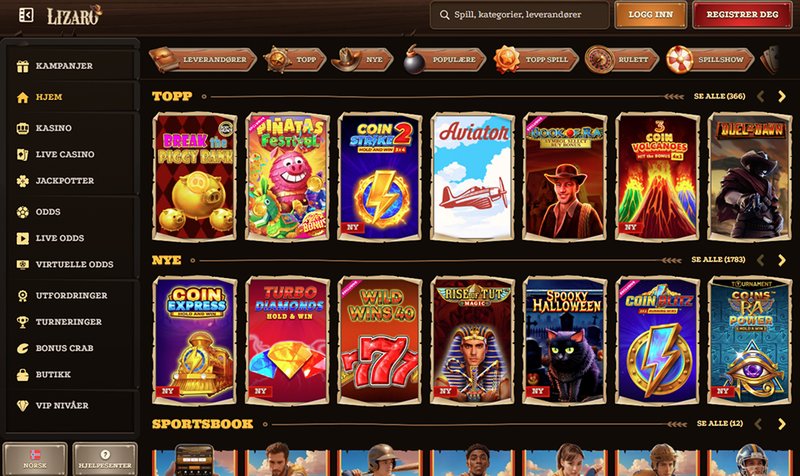
While exploring the town, I liked to unwind with a quick online game during the train ride back. A brief pause for entertainment can make the journey feel shorter, and I discovered a reliable source for a free bonus that adds a fun twist without costing a penny. Check out the Lizaro Casino Bonus for a light distraction that doesn’t interfere with my travel budget.
Wrap‑Up: Your Budget Weekend Blueprint
By following these steps—targeted destination scouting, price‑alert accommodation, shared‑vehicle transport, local dining, and efficient packing—you can plan a weekend getaway for under £250, including travel, stay, and meals. The numbers add up quickly, and the experience feels richer than a pricier, over‑planned trip.
Frequently Asked Questions
How can a 48‑hour plan reduce travel costs?
By quickly researching nearby destinations within a radius and booking early low fares.
What radius should I set on the map?
A 200‑km radius often balances travel time and variety while keeping costs low.